
Level Meters
Level meters are specialised instruments designed to measure and monitor the height or level of liquids, slurries, and bulk solids within tanks, process vessels, sumps, reservoirs, and open channels. Accurate level measurement is essential across water treatment, chemical processing, mining, and manufacturing industries.
Measuring level is critical for inventory management, preventing tank overflows, protecting pumps against dry running, ensuring consistent continuous process feed rates, and maintaining operational safety in demanding industrial environments.
Why Level Meters Matter
Level meters are specialised instruments designed to measure and monitor the height or level of liquids, slurries, and bulk solids within tanks, process vessels, sumps, reservoirs, and open channels. Accurate level measurement is essential across water treatment, chemical processing, mining, and manufacturing industries. Measuring level is critical for inventory management, preventing tank overflows, protecting pumps against dry running, ensuring consistent continuous process feed rates, and maintaining operational safety in demanding industrial environments.
Level Meter Technologies
Technologically, modern level meters utilise a wide range of sophisticated non-contact and contact sensing methods tailored to specific liquid properties and atmospheric conditions. Radar level transmitters emit high-frequency electromagnetic micro-pulses (such as 26 GHz) or operate using Time Domain Reflectometry (TDR) along a guided probe. When the signal reaches the liquid interface, it reflects back to the receiver, calculating distance based on speed-of-light phase shift or time-of-flight, making it highly effective even in severe environments with volatile gases, high pressures, foam, or extreme temperatures. Ultrasonic level transmitters use acoustic transducer arrays that emit ultrasonic sound pulses and calculate liquid height based on the echo transit time. For submerged or deep tank monitoring, hydrostatic level sensors measure liquid height by evaluating the hydrostatic pressure exerted by the liquid column above a piezoresistive ceramic or metallic diaphragm.
Bed Level Analysers
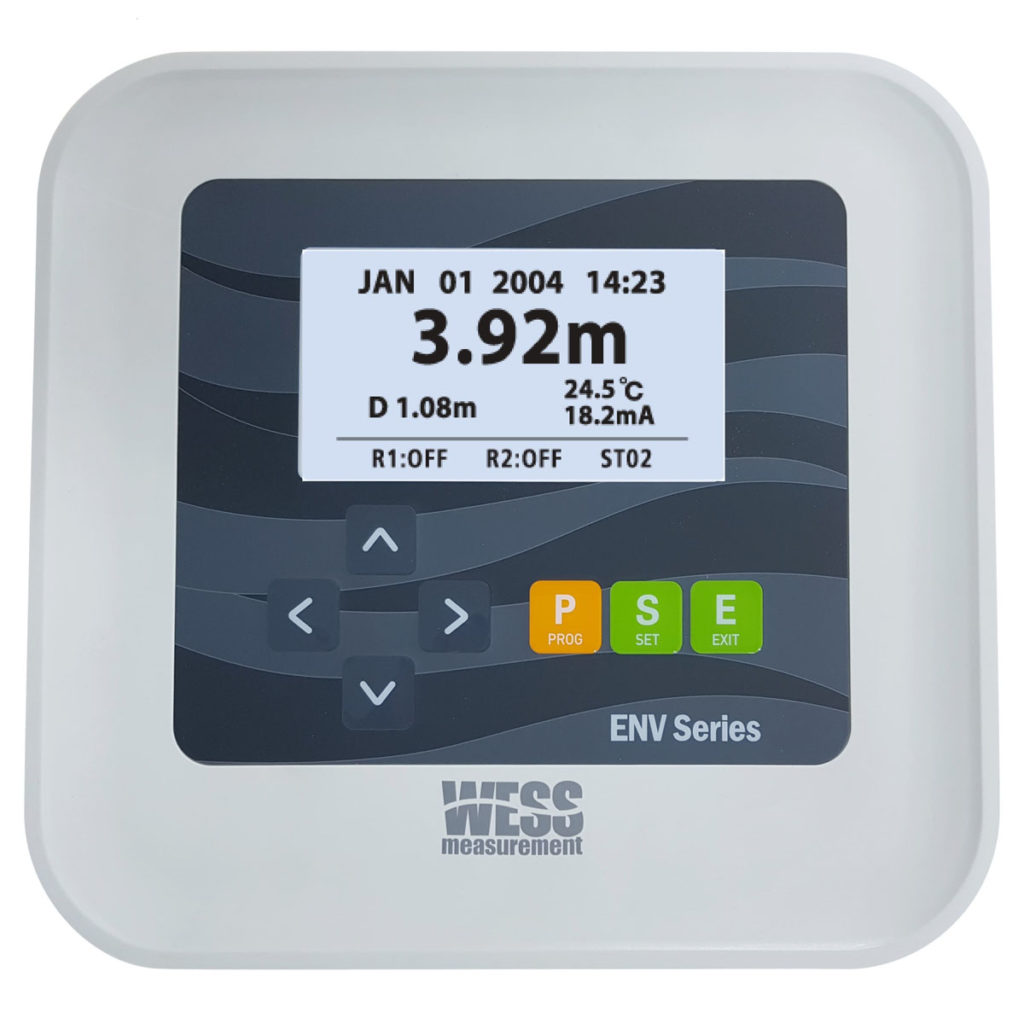
Bed Level Analysers monitor the bed level of mud or the thickened slurry at the bottom of sedimentation tanks. This aids the plant operator in making the removal of solids more efficient. Instruments measure the height of the interface between the thickened slurry at the bottom of the tank and the clarified liquor at the top.

Level Switches
Level switches are used to stop or start the flow of liquids when specific levels have been reached.

Liquid Level Transmitters
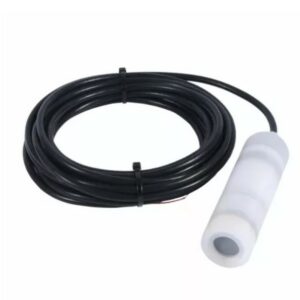
Liquid Level Transmitters measure the levels of liquids. Often using ultrasonic technologies.

Radar Level Meters
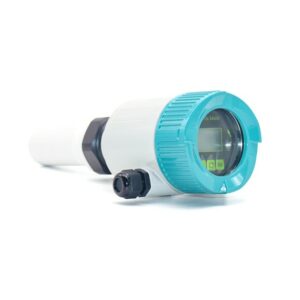
Used to determine the level for harsh environments including volatile gases, high temperatures, high pressures, steam, vacuums and dust. Because these meters utilise radar they are minimally affected by corrosion, foam and a dusty environment.

Ultrasonic Level Meters
Ultrasonic level meters measure the level of liquids, solids, or slurries by transmitting ultrasonic sound waves from a transducer to the material’s surface. The device calculates the time it takes for the waves to return, determining the distance to the surface and allowing for precise level measurement.
Products by Category
-
Acid-Alkali Resistant Liquid Level Transmitter | L055
-
Anti-Corrosion Radar Level Meter | QT 901
-

Compact Tuning Fork Level Switch
R3,705.00 -
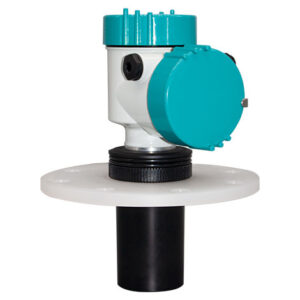
Flange Ultrasonic Level Meter | Flange-RWLM
-

Guided Float Switch | GFPS-2282
-
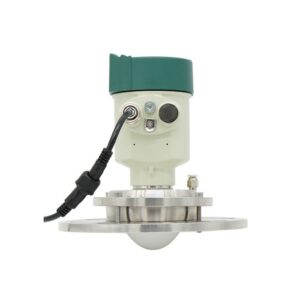
High-Frequency Radar Level Meter | RD800
-
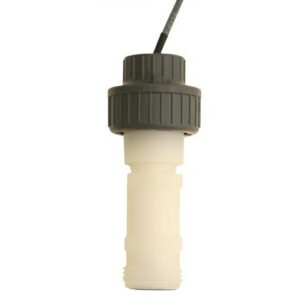
Hydrostatic Level Sensor | GF 2250
-
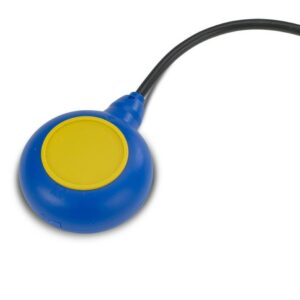
Level Float Switch | GF2285
-

No Contact Ultrasonic Level Sensor | 2270
Price range: R20,712.00 through R25,911.00