
Analytical and Water Quality Instruments
Analytical and water quality instruments are specialised monitoring devices designed to evaluate the physical, chemical, and biological parameters of water across municipal, industrial, and environmental applications. Common parameters monitored include pH, oxidation-reduction potential (ORP), dissolved oxygen (DO), turbidity, conductivity, and specific chemical species.
Measuring water quality parameters is essential to ensure regulatory compliance, protect public health, safeguard aquatic ecosystems, and optimise treatment processes in drinking water plants, wastewater facilities, and industrial cooling loops. Precise measurement prevents equipment corrosion, prevents biological fouling, and ensures that treated water meets stringent quality standards before consumption or environmental release.
Why Analytical and Water Quality Instruments Matter
Analytical and water quality instruments are specialised monitoring devices designed to evaluate the physical, chemical, and biological parameters of water across municipal, industrial, and environmental applications. Common parameters monitored include pH, oxidation-reduction potential (ORP), dissolved oxygen (DO), turbidity, conductivity, and specific chemical species.
Measuring water quality parameters is essential to ensure regulatory compliance, protect public health, safeguard aquatic ecosystems, and optimise treatment processes in drinking water plants, wastewater facilities, and industrial cooling loops. Precise measurement prevents equipment corrosion, prevents biological fouling, and ensures that treated water meets stringent quality standards before consumption or environmental release.
Analytical and Water Quality Instrument Technologies
Modern water quality instrumentation relies on advanced sensor technologies.
Dissolved oxygen is frequently measured using optical luminescence, where an LED excites a luminescent dye and the phase shift of reflected light correlates directly to oxygen concentration.
pH and ORP sensors utilise solid-state or glass ion-selective electrodes (ISE) with specialised reference junctions designed to resist fouling.
Turbidity instruments employ optical sensors based on nephelometry, measuring light scattered at 90-degree angles by suspended solids. Integrated digital microprocessors within these sensors perform real-time signal processing, temperature compensation, and diagnostic self-checks, providing stable, long-term measurement with minimal calibration drift.

AOC Analysers (Assimilable Organic Carbon)
Assimilable Organic Carbon (AOC) is an important cause of microorganism re-growth in drinking water distribution systems. A high AOC concentration allows re-growth of bacteria that has survived drinking water disinfection. AOC consists of a broad range of low-molecular-weight organic carbon molecules, such as sugars, organic acids, and amino acids that are more easily assimilated by microorganisms than other types of organic carbon. It is considered one of the main indicators of biological water stability.

Blue-Green Algae Meters
Blue-Green Algae is found naturally in water bodies. When certain conditions exist, such as warm water and high nutrient levels, they can rapidly form harmful algal blooms. Algae blooms can cause major problems such as toxicity, an unsightly appearance and a pungent smell. Water affected by a bloom is unsuitable for agricultural use and can cause serious difficulties for drinking water suppliers.

BOD Analysers (Biological Oxygen Demand)
Biological Oxygen Demand (BOD5) is a 5-day measure of the amount of O2 consumed by aerobic bacteria in breaking down waste. Wastewater from sewage treatment plants and industries contains organic materials that are decomposed by microorganisms. These organisms use oxygen in the decomposition process. Keeping the amount of oxygen available stable for these bacteria to function optimally is crucial.

Chlorophyll Analysers
Chlorophyll is found within living cells of phytoplankton and blue-green algae. The amount of chlorophyll found in a water sample is used to measure the concentration of phytoplankton. These measurements indicate the general “health” of a system. Chlorophyll measurements identify algal bloom events and their effects on water quality.
COD Meters (Chemical Oxygen Demand)
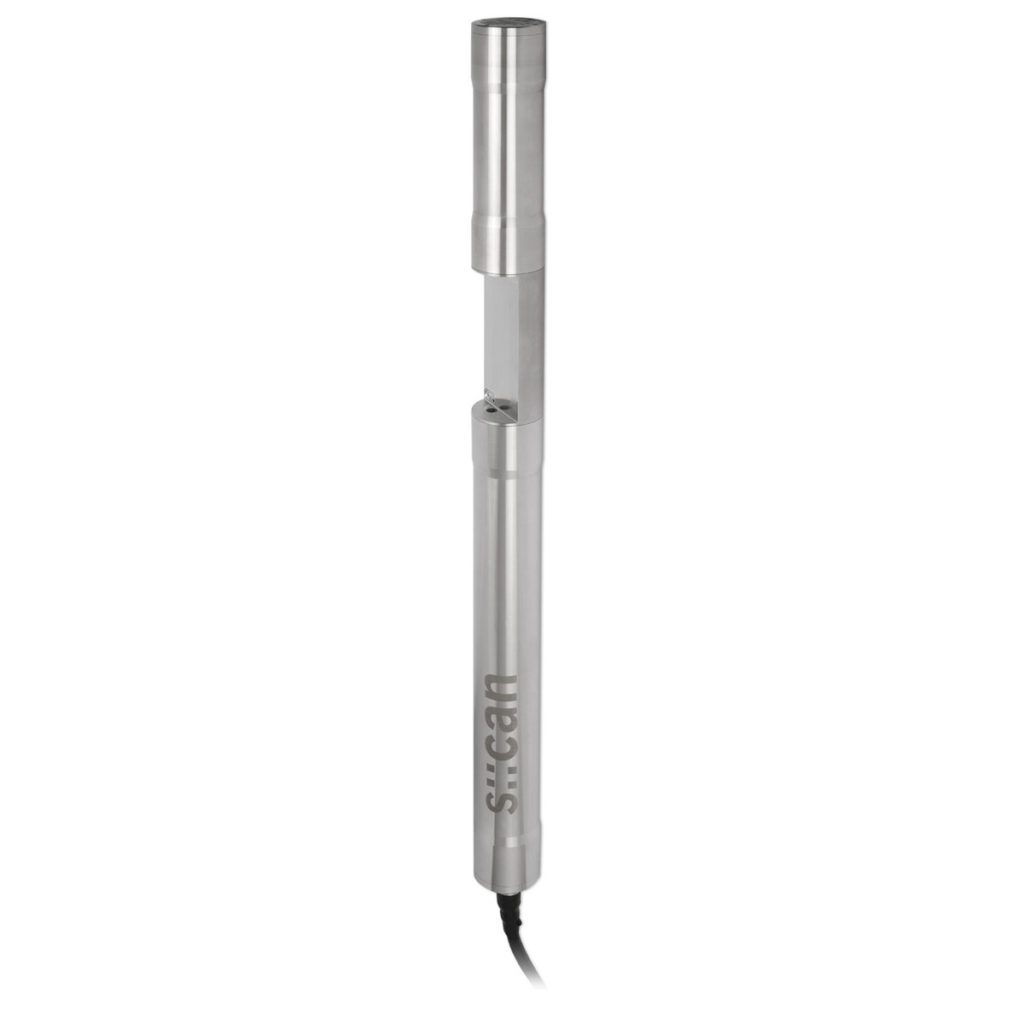
The COD chemical oxygen demand is measured in water and wastewater treatment. The COD test is used to monitor water treatment plant effectiveness. This test is based on the fact that strong oxidising agents, under acidic conditions, can fully oxidize an organic compound to carbon dioxide. The COD is the amount of oxygen consumed to chemically oxidise organic water contaminants to inorganic products.

Color Analysers
Color in water is a result of the presence of metals like iron and manganese, plankton, weeds, and industrial wastes. Color is monitored and then removed from water to make it suitable for use in general household and industrial applications. Colored industrial wastewaters may require color removal before discharge into watercourses.

Conductivity Meters (EC)
Conductivity Meters or Electrical Conductivity Meters (EC) measure the conductivity of a solution. It has multiple applications in both research and engineering. The meters are most commonly used in hydroponics, aquaculture, aquaponics, and freshwater systems to monitor salts, nutrients, or impurities in water.
Dissolved Organic Carbon Meters (DOC)
Dissolved organic carbon (DOC) is the organic matter that can pass through a filter. Dissolved Organic Carbon is an important parameter in potable water as it is food for bacteria and forms harmful by-products when reacting to chlorine.
Dissolved Oxygen Meters (DO)
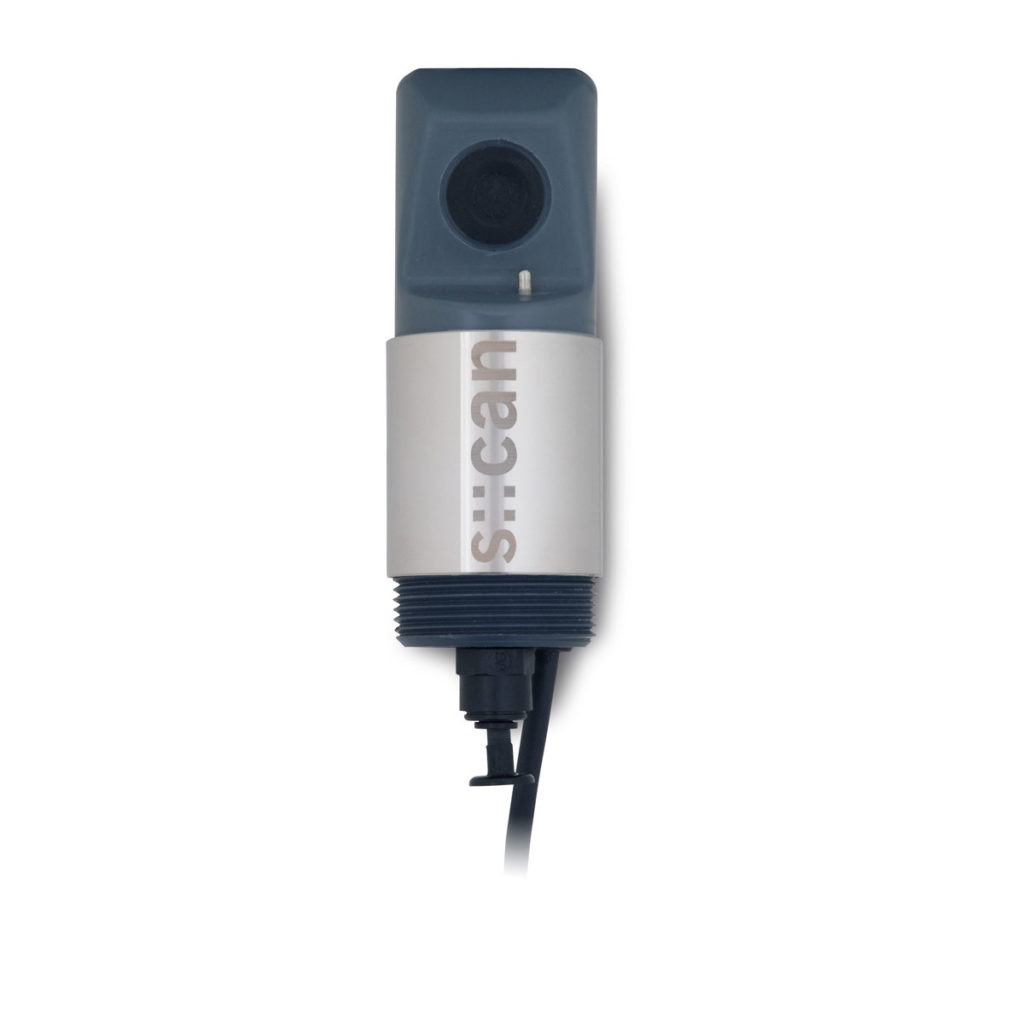
Dissolved oxygen (DO) is the amount of oxygen that is dissolved and present in water. Dissolved oxygen (DO) is considered an important indicator of water quality.
ORP Meters (Oxidation-Reduction Potential)
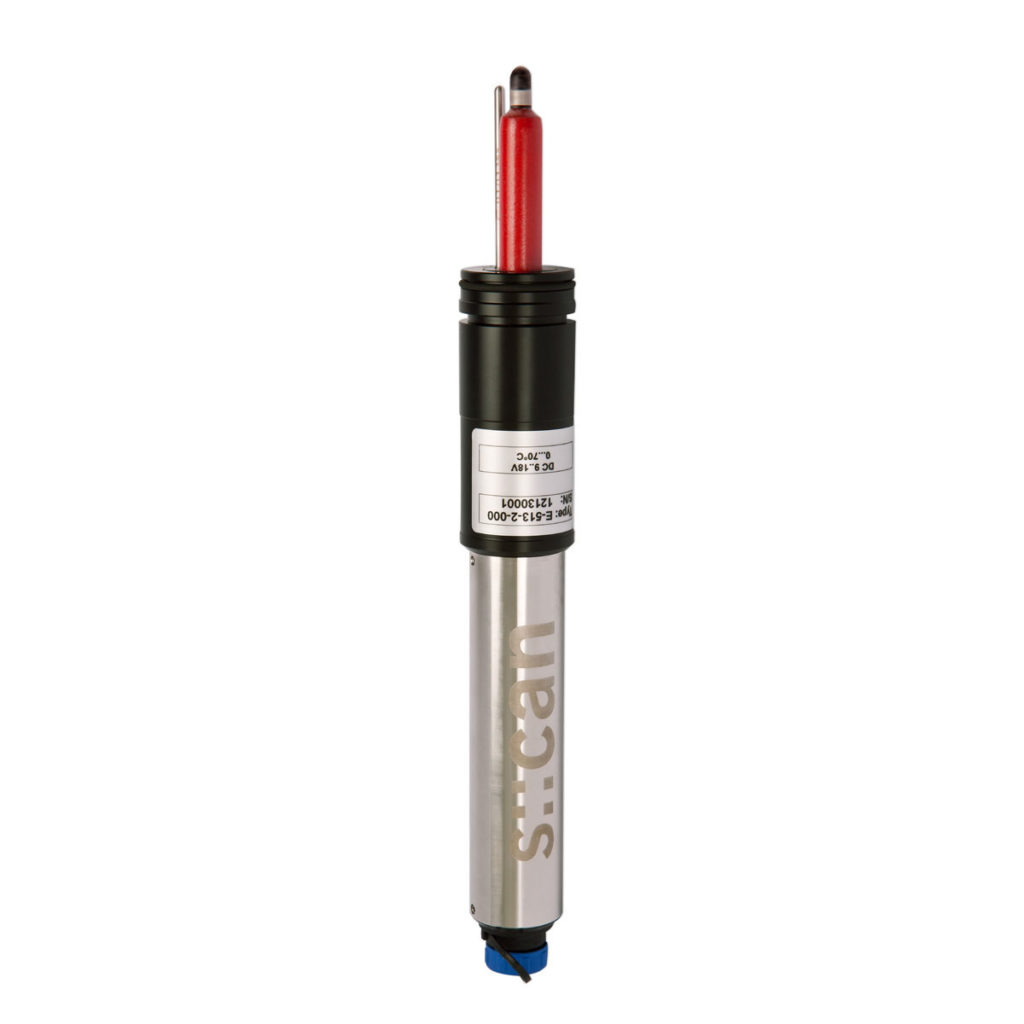
ORP – Oxidation-reduction potential measures the ability of a dam, lake, or river to cleanse itself or break down waste products, e.g. contaminants, and decaying plants or animals. When the ORP value is high, there is a lot of oxygen present in the water. This means that bacteria that decompose dead tissue and contaminants can work more efficiently. In general, the higher the ORP value, the healthier the lake or river is.
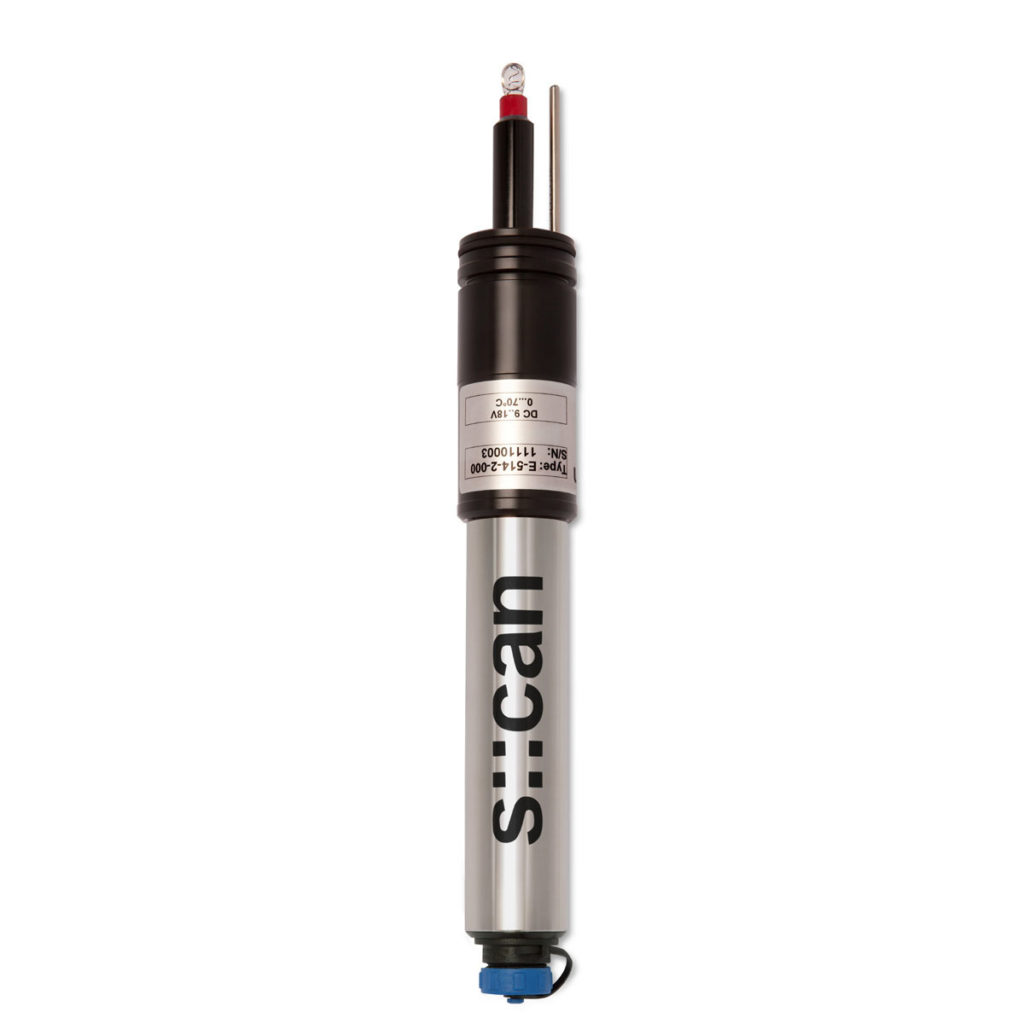
pH Meters
pH Meters measure how acidic or alkaline a liquid is. This is typically used in water treatment as the pH can affect the organisms living in it. A change in pH in a river can be an indicator of increasing pollution. A high pH in water will cause a bitter taste. It will also cause water pipes and water-using appliances to become encrusted with deposits, and it minimises the effectiveness of chlorine. Low-pH water will corrode or dissolve metals and other substances.

Temperature Analysers
Temperature is a critical parameter to monitor for wastewater treatment systems. In most cases, the bacteria used in water treatment plants function optimally at temperatures between 20°C – 35°C. These microorganisms can still function at a slowed rate with lower temperatures, but significant elevations in temperature can destroy the bacteria and render the process ineffective.
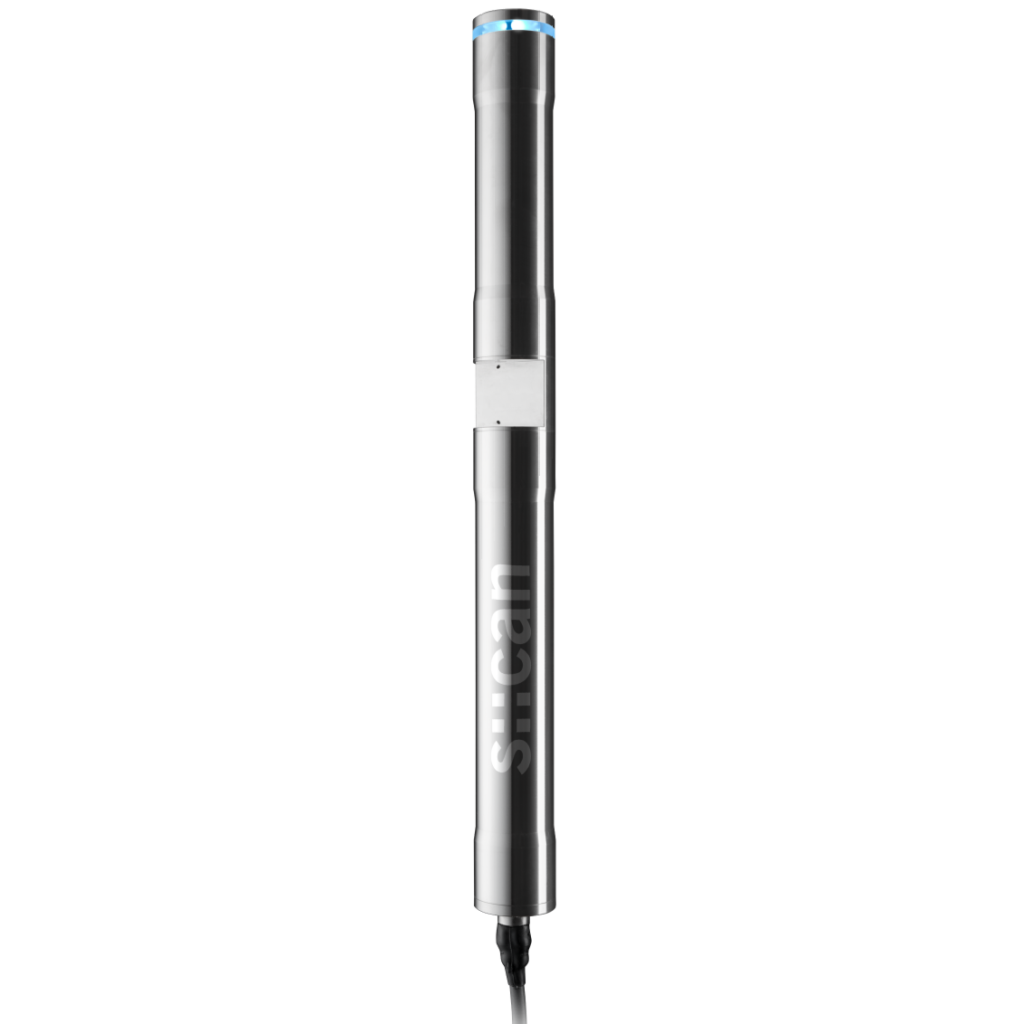
TOC Analysers (Total Organic Carbon)
TOC analysers measure the Total Organic Carbon (TOC) in water which indicates the level of contaminants or organic molecules present. Measuring TOC in water helps determine whether or not water is safe for your specific needs.

Total Solids Meters (TS)
Total Solids (TS) refers to matter suspended or dissolved in water or wastewater. Total solids measurements can be useful to indicate the effects of runoff from construction, agricultural practices, logging activities, sewage treatment plant discharges, and other sources. The measurements are essential to the removal of excess matter in the water.
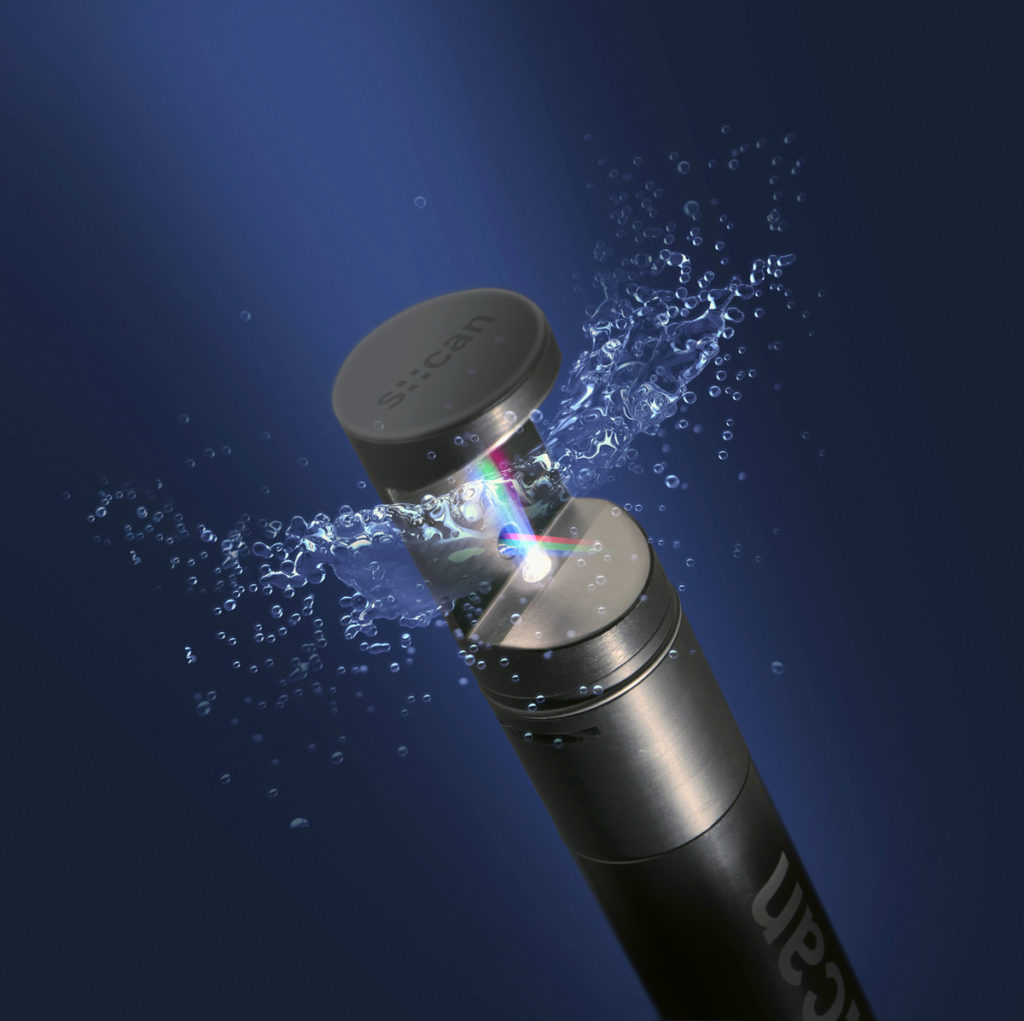
Turbidity Analysers (NTU/FTU)
Turbidity (NTU/FTU) meters measure cloudiness in liquids and provide a method to determine water quality in drinking water. Turbidity is caused by particles suspended or dissolved in water that scatter light making the water appear cloudy or murky. This can include sediments like clay and silt, fine organic and inorganic matter.

UV254 Meters
UV254 Meters measure water quality by providing a quick measurement of the organic matter in water. Organic compounds absorb a portion of the UV light as it passes through the water sample. Measuring how much UV was absorbed in the sample is an indicator of the amount of organic matter present in the water.

Volatile Fatty Acids (VFA's)
Volatile Fatty Acids play a dual role in water and wastewater treatment. They serve both as vital biochemical intermediates and as important indicators of process health in water and wastewater treatment.
Products by Category
-

Industrial Spectrometer Explosive Atmospheres | Spectro::lyser ATEX
-

Multi-Parameter Analyser | MP301
-

Multilyser V3 | Multi::lyser
-

Online Multi-Parameter Photometer | i::scan
-

Online Multiparameter Universal Controller | LH-D6901
-

Online Nitrate Sensor | Nitro::lyser VS3
Price range: R173,346.00 through R186,740.00 -

Online Ozone Sensor | Ozo::lyser V3
Price range: R231,102.00 through R234,294.00 -
Online Spectrometer | Spectro::lyser V3
Price range: R318,837.00 through R354,839.00 -

Online Turbidity Sensor | LH-DZ09-200