
Chemical Concentrations
Chemical concentration measurement instruments are online process analysers designed to determine the exact proportion, mass concentration, or molarity of specific chemical constituents within liquid solutions and liquid mixtures.
Accurate chemical concentration measurement is critical across chemical manufacturing, mining operations, semiconductor production, and water treatment. Maintaining exact concentration levels ensures product quality, optimises chemical dosing, prevents costly chemical waste, and eliminates safety hazards associated with over-dosing or under-dosing reagents in critical chemical reactions.
Why Chemical Concentrations Matter
Chemical concentration measurement instruments are online process analysers designed to determine the exact proportion, mass concentration, or molarity of specific chemical constituents within liquid solutions and liquid mixtures.
Accurate chemical concentration measurement is critical across chemical manufacturing, mining operations, semiconductor production, and water treatment. Maintaining exact concentration levels ensures product quality, optimises chemical dosing, prevents costly chemical waste, and eliminates safety hazards associated with over-dosing or under-dosing reagents in critical chemical reactions.
Chemical Concentration Technologies
These measurement systems utilise diverse optical, ultrasonic, and chemical analytical technologies. Inline optical refractometers measure the refractive index of a fluid based on Snell’s law, correlating light refraction directly to dissolved solids concentration (Brix, percentage concentration).
Spectrophotometric analysers measure light absorbance across ultraviolet, visible, or infrared spectra, applying the Beer-Lambert law to determine chemical species concentration.
Ultrasonic concentration meters transmit high-frequency sound waves through the liquid; because the velocity of sound changes predictably with fluid density and concentration, precise time-of-flight measurements yield instant concentration values.
Automated online titration systems automate complex chemical reactions, delivering highly precise batch or continuous titration measurements for complex chemical matrices.

Aluminium (Al)
Aluminium (Al) salts are commonly added as coagulants during water treatment to remove turbidity, organic matter and microorganisms. Aluminium also occurs in all natural waters. At low levels, aluminium in water is not likely harmful to your health. However, at high concentrations, there is evidence linking aluminium to effects on the nervous system. Therefore it is essential to monitor Aluminium levels in the water.
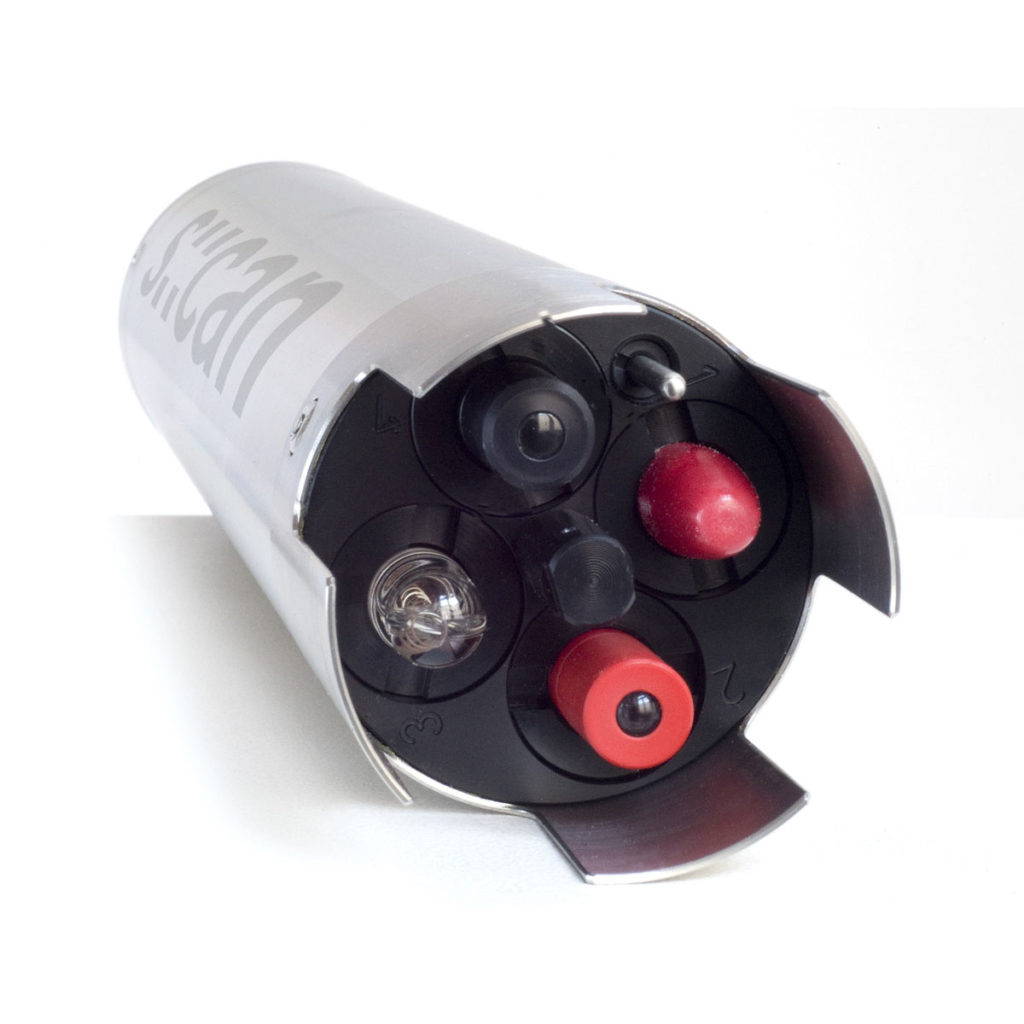
Ammonium Meters (NH4+)
Ammonium Meters (NH4+) measure ammonia in water. Ammonia in groundwater is normal. The presence of ammonia nitrogen in surface water usually indicates domestic pollution. Excess ammonia can damage vegetation and is incredibly toxic to aquatic life, especially at elevated pH and temperature levels.
Arsenic (As)
Arsenic (As) is highly toxic in its inorganic form. Contaminated water poses the greatest threat to public health from arsenic. Arsenic can enter the water supply from natural deposits in the earth or from industrial and agricultural pollution.
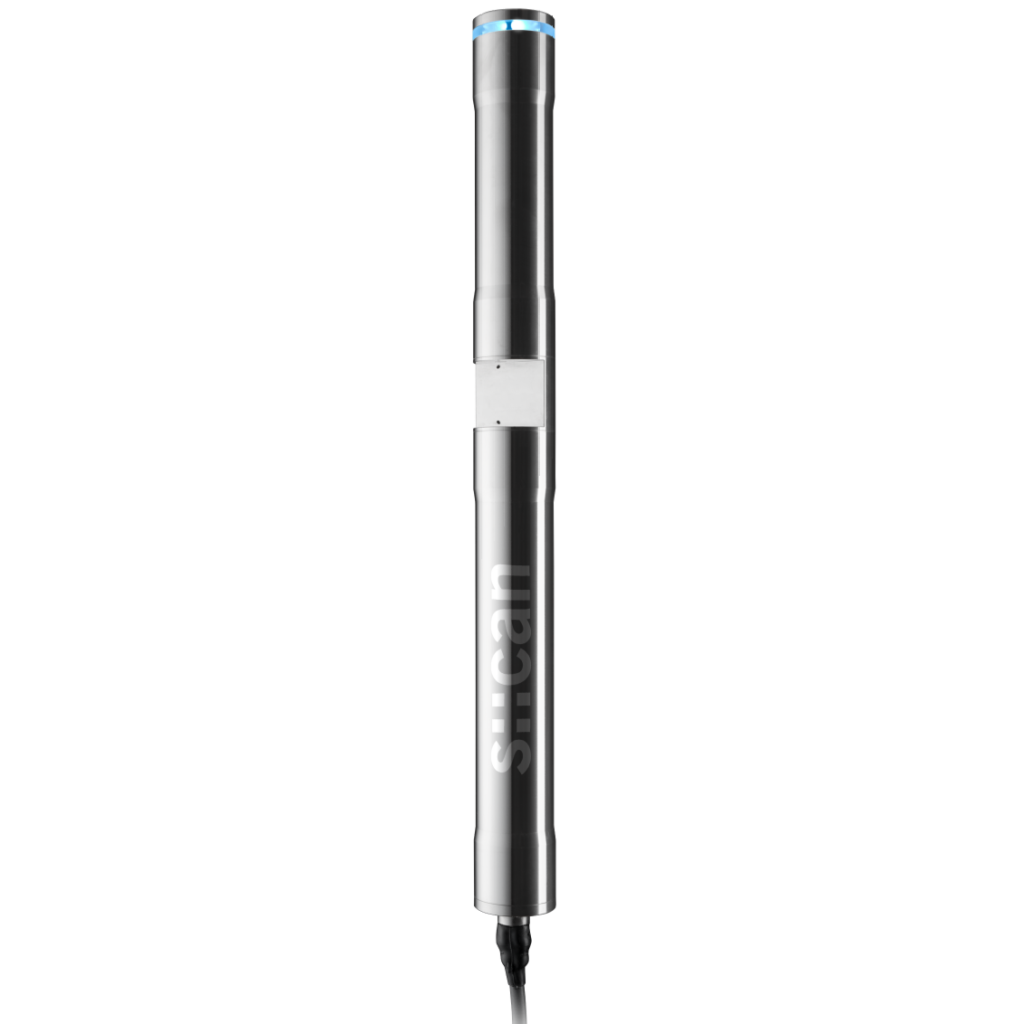
BTX Meters: Benzene, Toluene & Xylene
BTX Meters: Benzene, Toluene and Xylene measurement is essential in water purification. These are considered the most toxic components of gasoline and need to be removed from the water.
Cadmium (Cd)
Cadmium (Cd) is found in drinking water as a result of old plumbing, industrial waste, or surface water contamination. As this is highly toxic, Cadmium levels need to be monitored and addressed.

Calcium (Ca)
Calcium (Ca) is naturally present in water. Calcium is largely responsible for water hardness, and may reduce the toxicity of other compounds. Elements such as copper, lead and zinc are much more toxic in soft water. Calcium polysulphide and hydroxide are used as flocculants in wastewater treatment, and calcium fluoride as a turbidity agent in enamel industries.
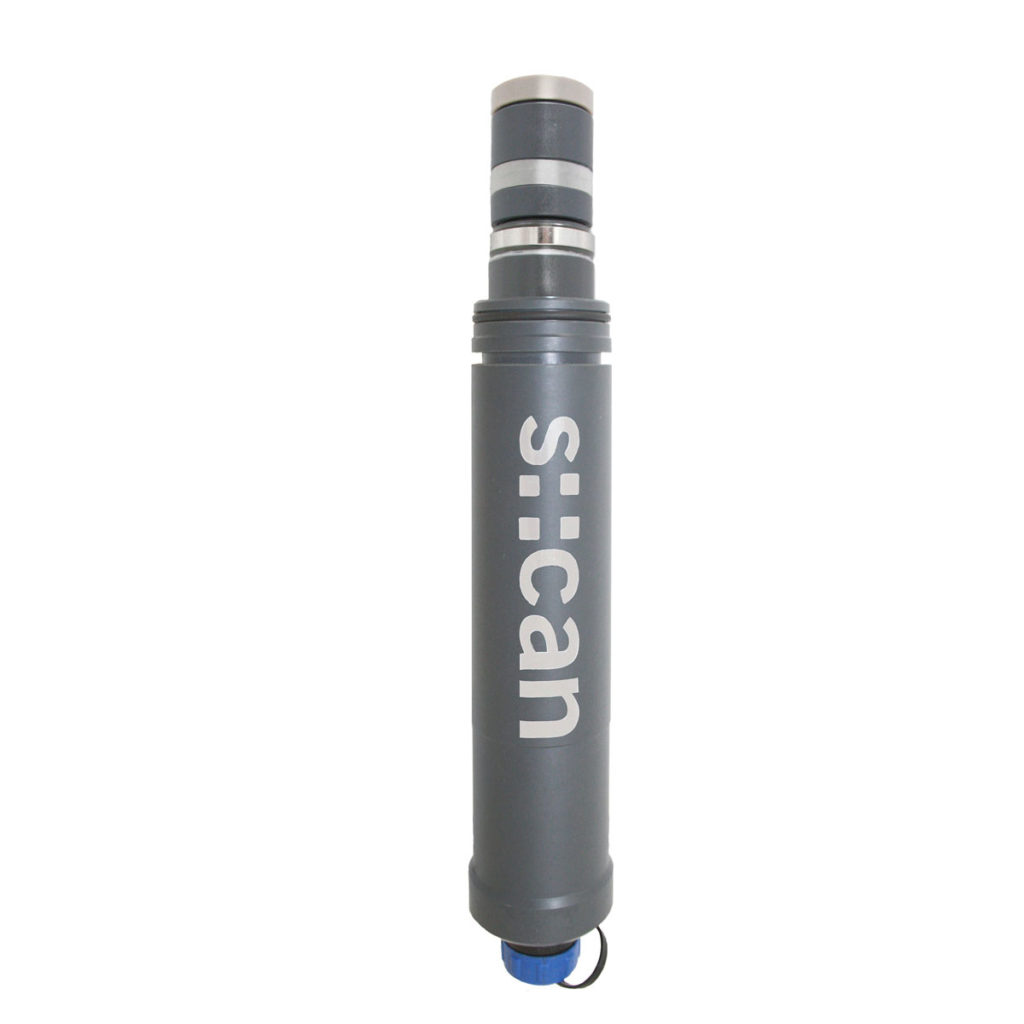
Chlorine Dioxide (ClO₂)
Chlorine dioxide (ClO₂) is added to the drinking water to prevent the growth of bacteria and other harmful microorganisms.
Chlorine Dioxide (ClO₂)
Chlorine dioxide (ClO₂) is added to the drinking water to prevent the growth of bacteria and other harmful microorganisms.
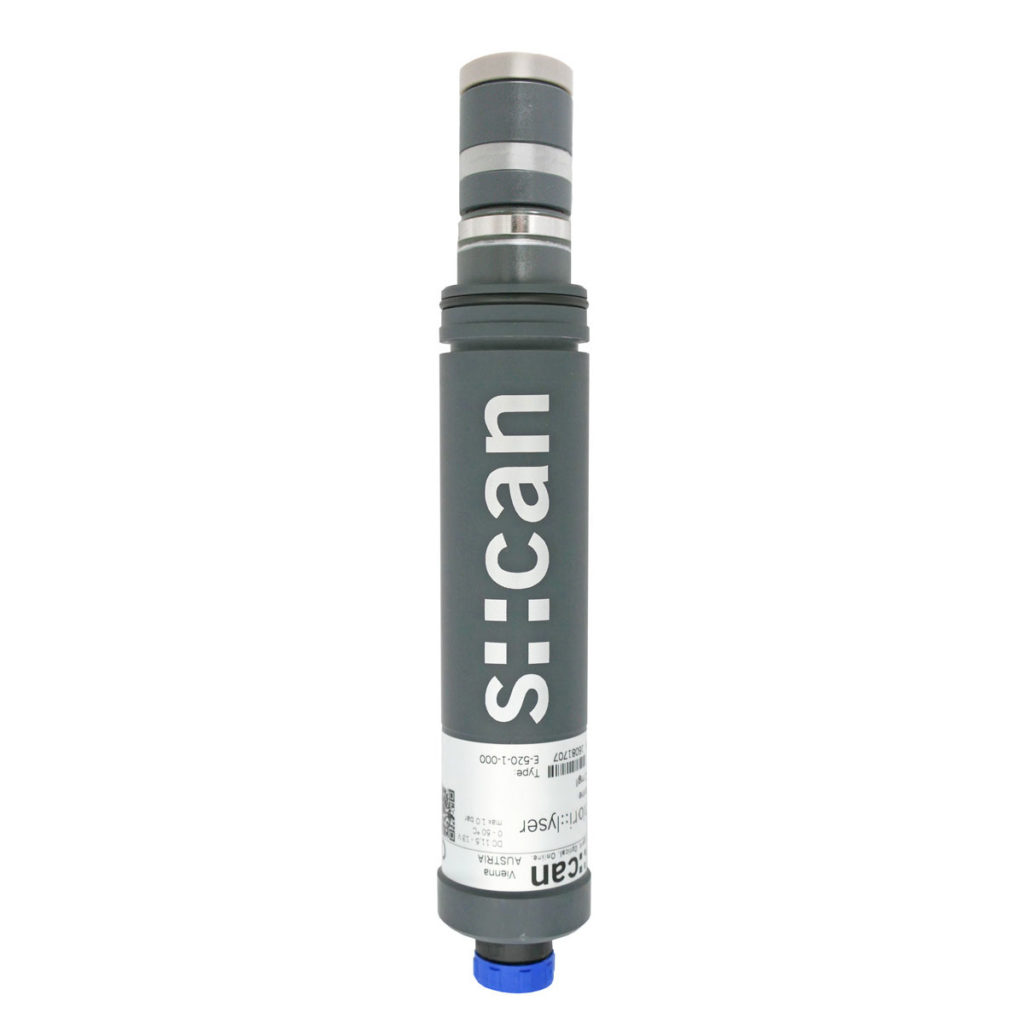
Chlorine Meters (CL)
Chlorine meters are for measuring, monitoring or process control purposes in water treatment. Chlorination is the process of adding chlorine to drinking water to kill parasites, bacteria, and viruses. Different processes can be used to achieve safe levels of chlorine in drinking water.

Chromium (Cr)
Chromium (Cr) is a naturally occurring substance in water. However, industrial wastewater can contain toxic forms of hexavalent chromium such as chromate and dichromate. This needs to be monitored and removed if necessary to maintain environmental water standards.
Cobalt (Co)
Cobalt (Co) is a very toxic element affecting the environment. Cobalt is present in the wastewater of nuclear power plants and many other industries such as mining, metallurgical, electroplating, paints, pigments and electronic industries. Monitoring and control is therefore essential.
Copper (Cu)
Copper (Cu) is a major source of contamination in industrial wastewater. High levels of copper in water are harmful to humans and other living beings. Monitoring and control are therefore essential.
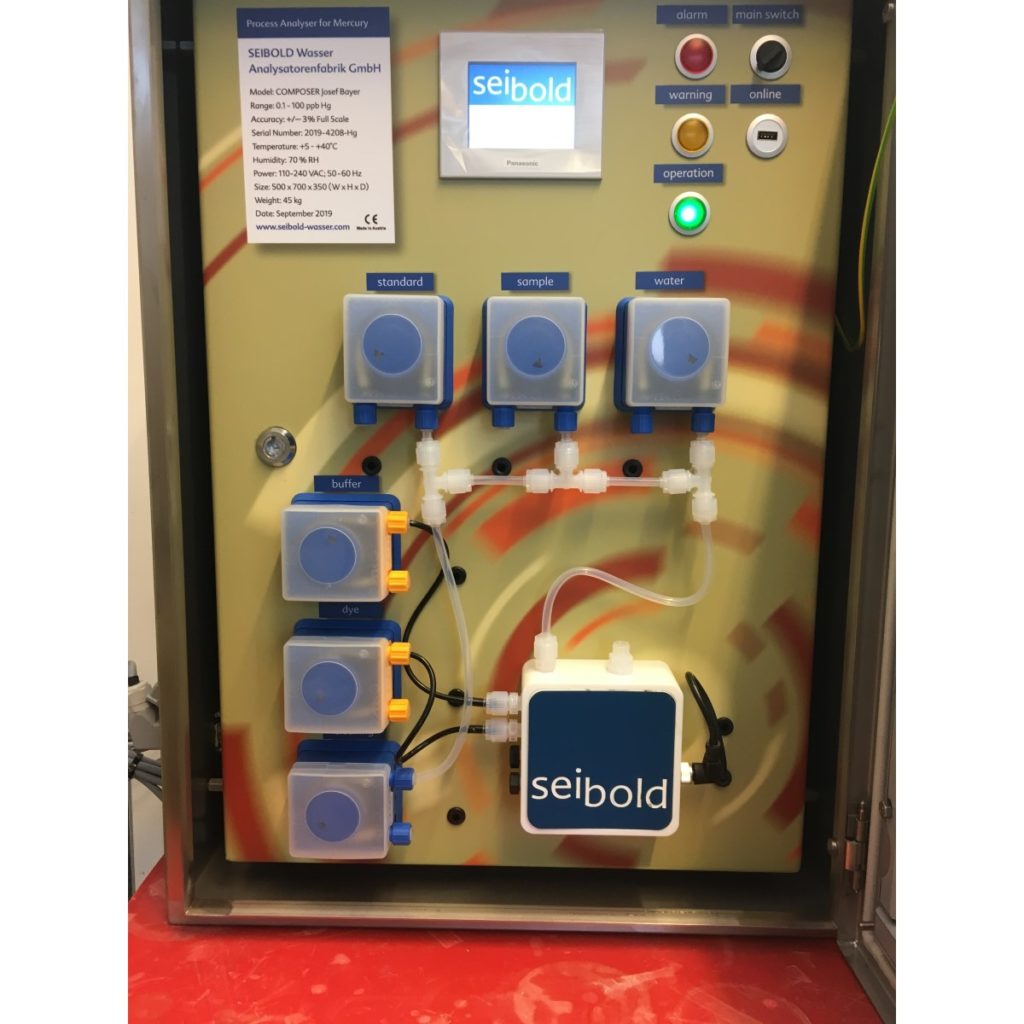
Cyanide (CN-)
Cyanide (CN-) wastewater treatment is essential as cyanide waste is toxic to living organisms. The major sources of cyanides in water are from metal mining processes, organic chemical industries, iron and steel plants, and wastewater treatment facilities.
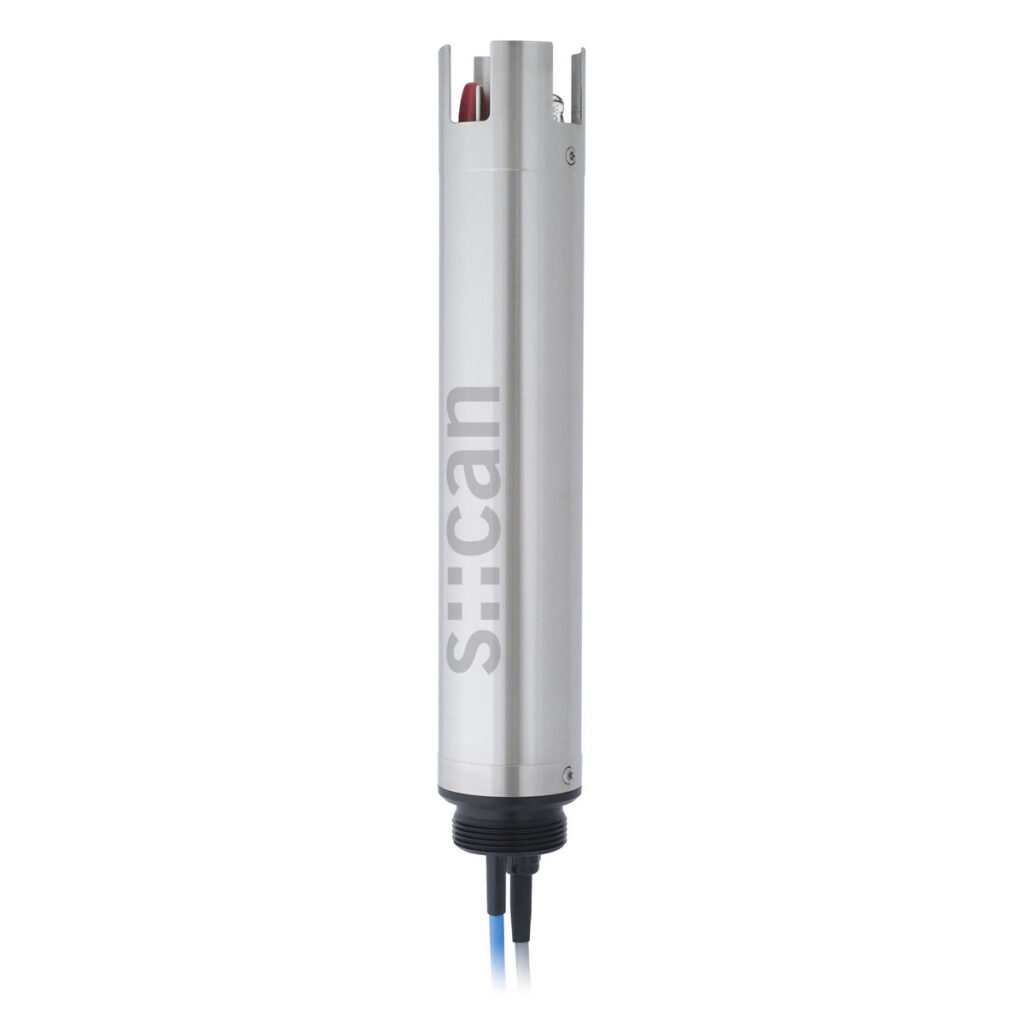
Fluor (F)
Fluor (F) is a common contaminant in a variety of industrial wastewaters. Although fluoride is an essential component of the human body, high levels are toxic. Monitoring and control is therefore essential.
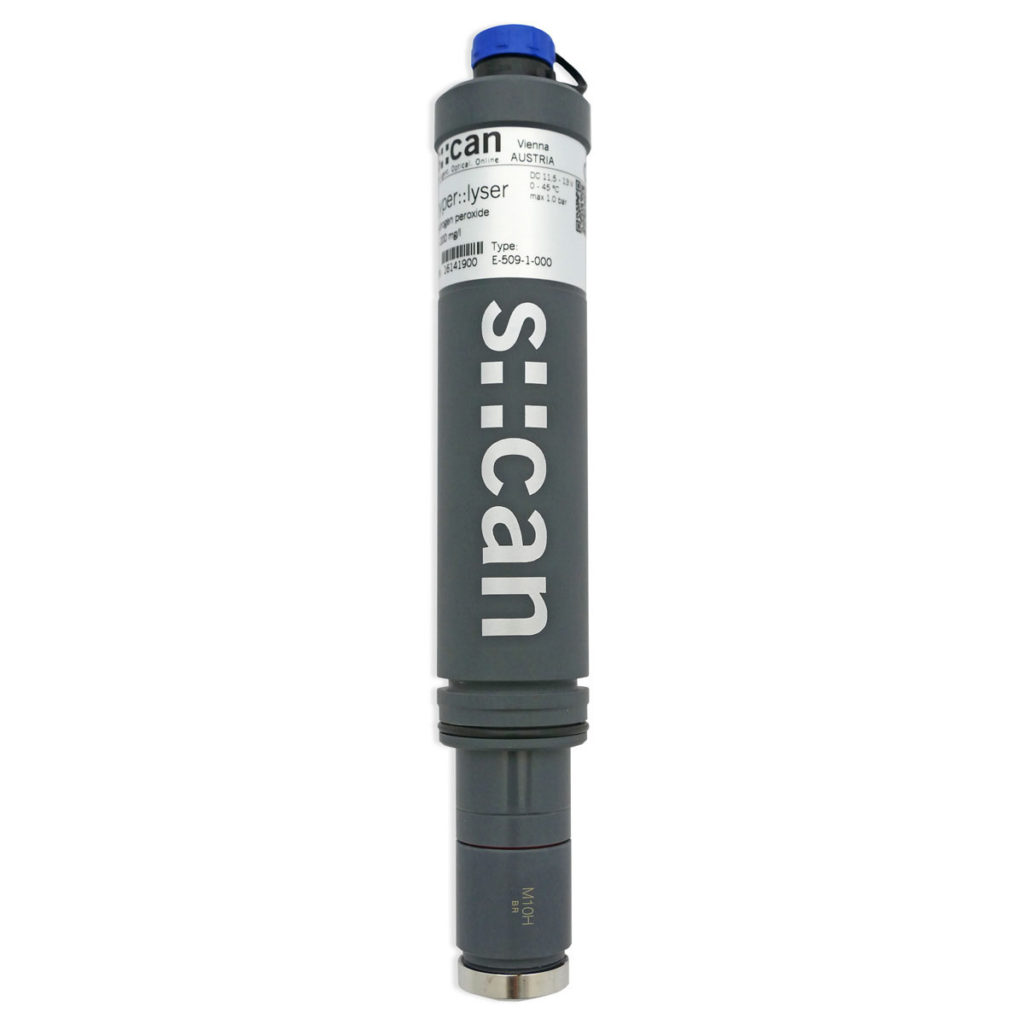
Hydrogen peroxide (H2O2)
Hydrogen peroxide (H2O2) has been used to reduce the Biological Oxygen Demand and Chemical Oxygen Demand of industrial wastewaters. Hydrogen peroxide (H2O2) meters monitor the water, paper, pulp and food industry for process control purposes.
Hydrogen Sulfide (H2S)
Hydrogen Sulfide (H2S) has a foul-smelling odour & very corrosive properties. This makes removal of utmost importance for the proper functions of a bioreactor.
Iron (Fe)
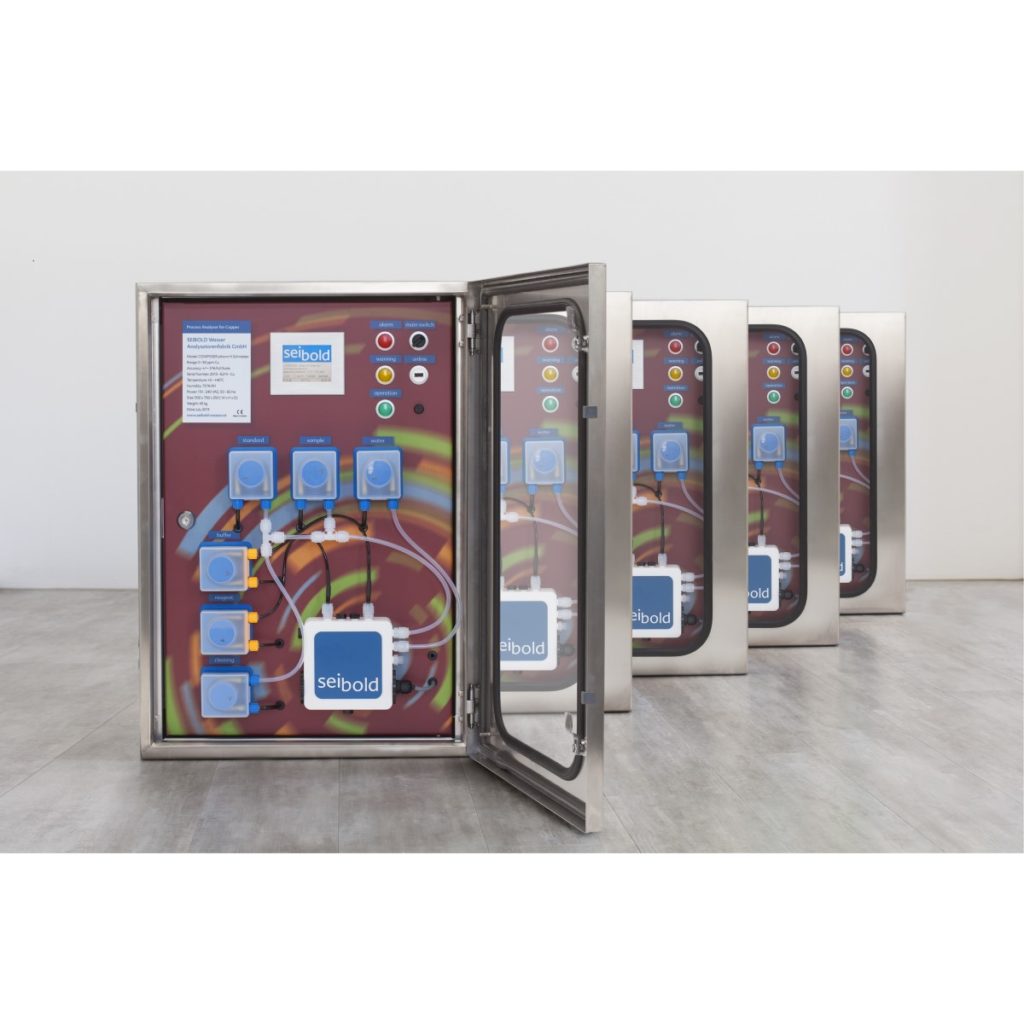
Iron (Fe) is present in wastewater. Iron can give water an unpleasant taste, odour and colour. Iron causes reddish-brown stains on household items and laundry. High levels can also cause health problems. Monitoring and keeping iron levels under control is therefore essential.
Lead (Pb)
Lead (Pb) is a heavy metal that is known for its toxicity and the health hazards it presents. Discharging lead-contaminated wastewater is heavily regulated across most regions of the world. Control and monitoring is therefore essential.
Magnesium (Mg)
Magnesium (Mg) and calcium compounds are what cause hardness in water. Magnesium hydroxide slurry is used for wastewater treatment, acid neutralisation and heavy metal precipitation in industrial wastewater.
Manganese (Mn)
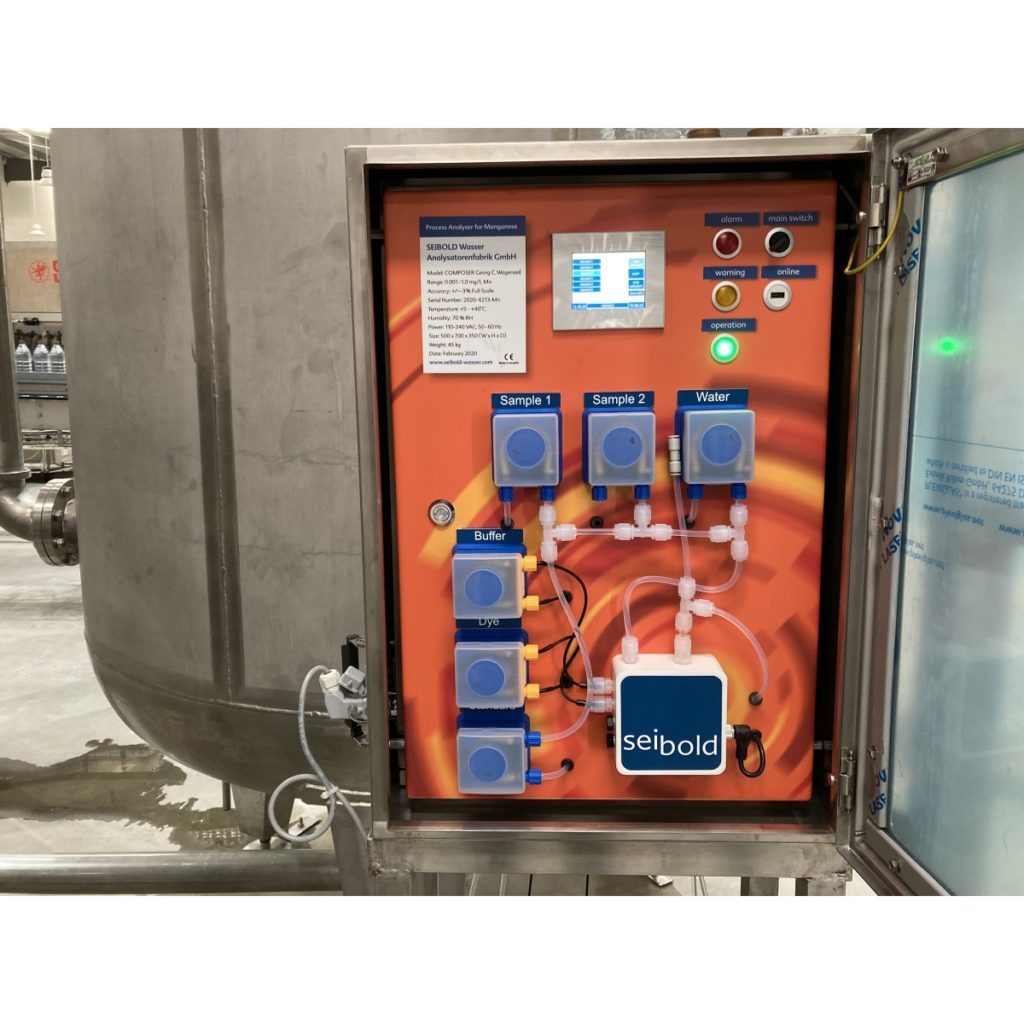
Manganese (Mn) is found naturally in groundwater, but levels can be increased by human activities like steel production and mining. Manganese can cause staining of household items and make the water have an off-taste or odour. Measurement and control are important.

Nickel (Ni)
Nickel (Ni) is a heavy metal present in many types of industrial wastewater. Its contamination of water bodies should be prevented. Nickel is a toxic substance and is detrimental to aquatic and human health as well as the operation of biological processes in wastewater treatment. Monitoring and control is essential.
Nitrate (NO3) Sensors
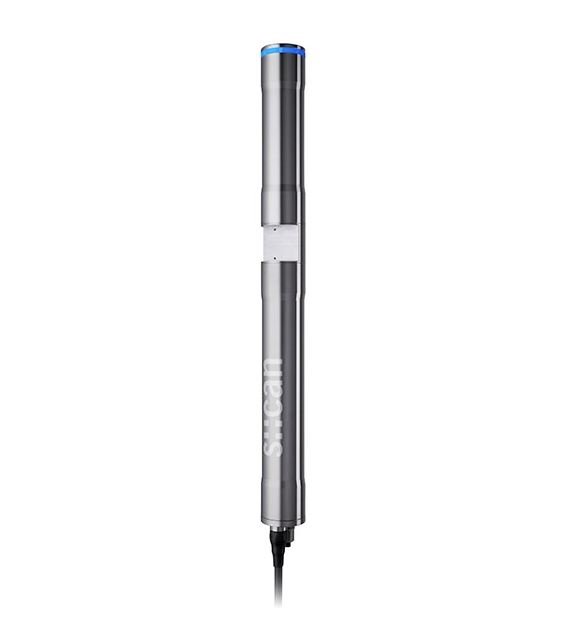
Nitrate (NO3) Sensors measure parameters in the nitrification and denitrification process. An important water quality parameter due to its toxicity.
Nitrite (NO2) Sensors
Nitrite Sensors (NO2) measure the nitrification and denitrification process parameters. An important water quality parameter due to its toxicity. Measurement and control are therefore essential.
Peracetic Acid (PAA)
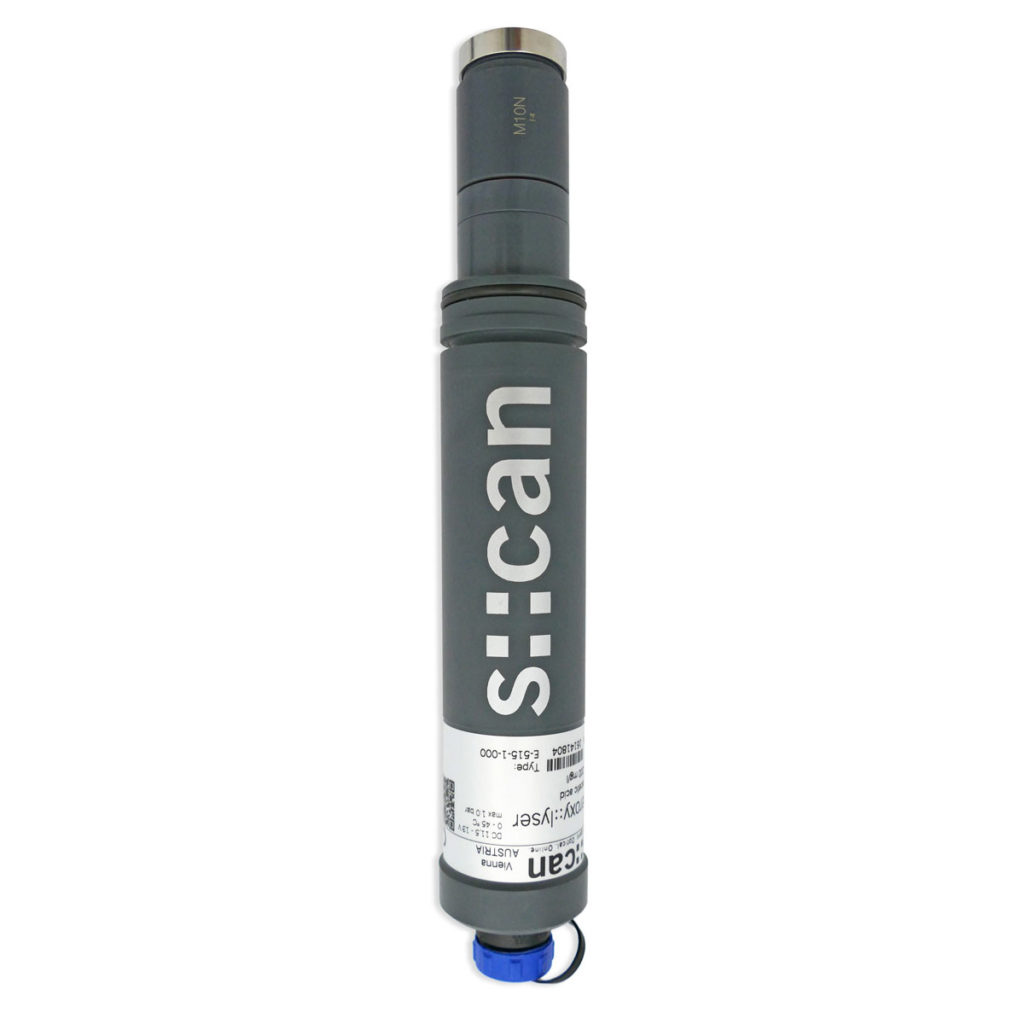
Peracetic Acid (PAA) is popular for its use in the disinfection of wastewater and stormwater. Utilities use it as the primary mechanism to kill bacteria and harmful organisms that spread waterborne diseases. It is also used in the food industry as a cleanser or disinfectant.
Phosphate (P04)
Phosphate (P04) is added to drinking water by water utilities to prevent metal dissolution from water piping systems and particularly lead poisoning. High concentrations of phosphorus may result from poor agricultural practices, urban runoff, leaking septic systems or sewage treatment plants. This can cause algae to grow out of control in ecosystems, making water toxic. Monitoring and control is therefore essential.
Potassium (K)
Potassium (K) is mildly hazardous in water. It has similar ion properties to NH4 and can interfere with ISE measurement. This is ideally measured to increase accuracy.
Sodium (Na-)
Sodium (Na-) is used in water purification. It may be used as a counter ion of calcium and magnesium in water softeners. Caustic soda and sodium percarbonate are applied to neutralize acids.
Zinc (Zn)
Zinc (Zn) can inhibit the function of biological wastewater treatment systems. As Zinc is widely used in industries, monitoring and controlling wastewater levels is essential.
Products by Category
-

Aluminium Analyzer | Franz von Suppe
-

Ammonium Probe | ammo::lyser eco
Price range: R88,584.00 through R121,166.00 -

Ammonium Sensor | ammo::lyser pro
-

Amperometric Chlorine Dioxide Electrode | GF2632
-
Arsenic Analyzer | Wilhelm Kienzl
-
Cadmium Analyzer | Carl Zeller
-

Calcium and Magnesium Analyser | Antojn Bruckner
-

Chlorine Analyzer | 4630
R126,188.00 -
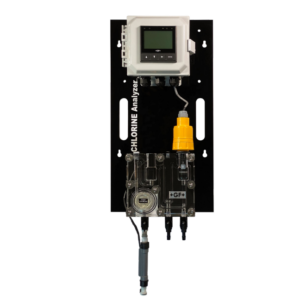
Chlorine Dioxide Analyser System | GF 4632