Dam Monitoring and Control
Dam monitoring and control systems comprise integrated networks of geotechnical sensors, hydrologic instruments, telemetry hardware, and control software designed to track structural health, hydraulic conditions, and environmental parameters of dams, levees, and reservoirs.
Continuous monitoring of dam structures is paramount for public safety, disaster prevention, resource management, and asset longevity. Identifying subtle structural movements, internal seepage, pore pressure variations, or water level changes allows engineers to intervene early, preventing catastrophic dam failures, managing flood risks, and optimising water release for hydroelectric power and irrigation.
Why Dam Monitoring and Control Matters
Dam monitoring and control systems comprise integrated networks of geotechnical sensors, hydrologic instruments, telemetry hardware, and control software designed to track structural health, hydraulic conditions, and environmental parameters of dams, levees, and reservoirs.
Continuous monitoring of dam structures is paramount for public safety, disaster prevention, resource management, and asset longevity. Identifying subtle structural movements, internal seepage, pore pressure variations, or water level changes allows engineers to intervene early, preventing catastrophic dam failures, managing flood risks, and optimising water release for hydroelectric power and irrigation.
Dam Monitoring and Control Technology
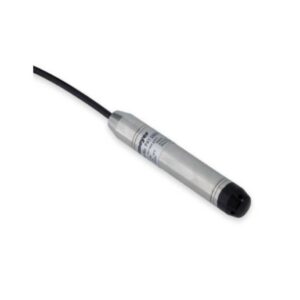
The technology behind dam monitoring incorporates advanced geotechnical and hydrological sensing arrays. Vibrating wire piezometers measure pore water pressure within embankment fill and foundations. Inclinometers, tiltmeters, and automated total stations measure microscopic ground movement, slope stability, and structural displacement. Fibre-optic distributed temperature and strain sensing (DTS) uses laser backscatter analysis along buried cables to detect thermal anomalies indicative of internal seepage leaks. Field data from these sensors is aggregated by low-power telemetry units (using cellular, radio, or satellite protocols) and transmitted to Supervisory Control and Data Acquisition (SCADA) systems, enabling automated spillway gate adjustments, real-time risk modelling, and instant emergency alerts.