
Sludge Meters
Sludge meters, including portable MLSS/TSS meters, bed level analysers, and continuous sludge blanket level detectors, are specialised process measurement instruments used in municipal wastewater treatment plants and industrial settling operations. These devices measure solids concentration, total suspended solids (TSS), mixed liquor suspended solids (MLSS), and the exact depth of the sludge-water interface in clarifiers, thickeners, and settling tanks.
Measuring sludge parameters is essential for process optimisation in wastewater treatment. Accurate sludge blanket tracking allows operators to optimise return activated sludge (RAS) rates, control waste activated sludge (WAS) pumping schedules, maintain biomass health in aeration basins, and prevent solid carryover into final effluent streams.
Why Sludge Meters Matter
Sludge meters, including portable MLSS/TSS meters, sludge density meters, bed level analysers, and continuous sludge blanket level detectors, are specialised process measurement instruments used in municipal wastewater treatment plants and industrial settling operations. These devices measure solids concentration, total suspended solids (TSS), mixed liquor suspended solids (MLSS), and the exact depth of the sludge-water interface in clarifiers, thickeners, and settling tanks.
Measuring sludge parameters is essential for process optimisation in wastewater treatment. Accurate sludge blanket tracking allows operators to optimise return activated sludge (RAS) rates, control waste activated sludge (WAS) pumping schedules, maintain biomass health in aeration basins, and prevent solid carryover into final effluent streams.
Sludge Meter Technologies
Technologically, sludge meters utilise advanced optical absorption, acoustic ultrasound, and hydrostatic measurement principles. Optical sludge sensors transmit focused multi-beam infrared light through the liquid; as suspended particles absorb and scatter the light, photodetectors measure the attenuation to calculate precise suspended solids concentrations in grams per litre or mg/L. Continuous sludge blanket level meters utilise ultrasonic transducers that emit high-frequency sound waves downward into the tank; phase algorithms evaluate echo reflection patterns generated at the density boundary between clarified liquid and settled sludge. Hybrid portable units combine hydrostatic pressure depth sensors with infrared optical absorption cells on a submersible cable, providing operators with simultaneous real-time readings of solids concentration and precise interface depth.

Sludge Density Meters
Sludge Density Meters are essential in managing sludge flow through pipelines. Sludge that is too thick can cause pipe blockages
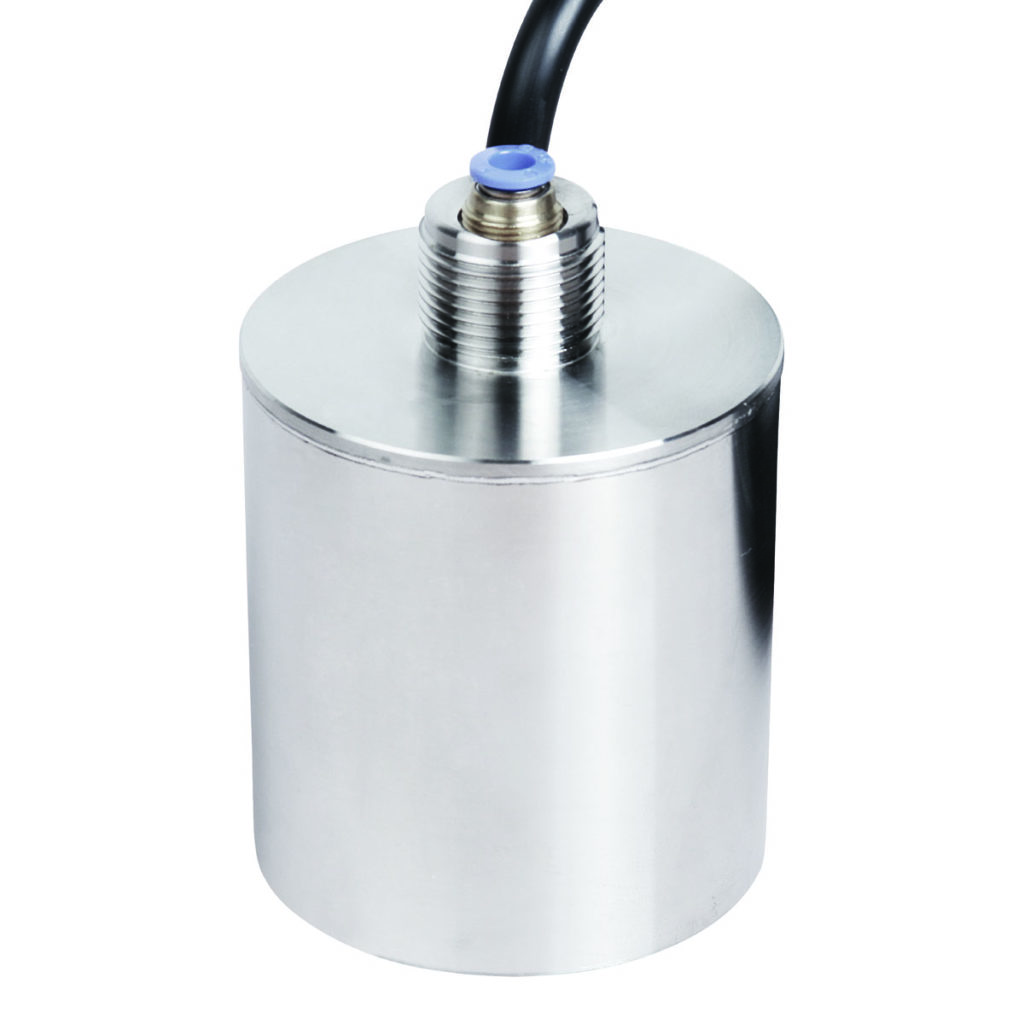
Sludge Level Meters
Sludge Level Meters work by measuring the distance between the sludge blanket surface and the water level. Sludge level is important to know to establish whether the clarifiers are functioning correctly, to optimise electricity usage, and maximise water recovery.
Products by Category
-

Portable TSS Meter and Bed Level Meter | Royce 711
-

Ultrasonic Portable Sludge Level Meter | ENV100-P
R93,705.00 -

Ultrasonic Sludge Blanket Level Meter | ENV120S
Price range: R148.00 through R53,389.00 -

Ultrasonic Sludge Density Meter | ENV200
Price range: R297.00 through R97,879.00