What is sludge?
Sludge is generally the waste generated from water purification. Sludge is usually removed by processes such as sedimentation, coagulation, flocculation, chemical treatment and/or biological oxidation. This depends on the source of the water or wastewater. Regardless of its origins, sludge consists of dissolved organic and inorganic materials and suspended solids.
What is sludge density and a sludge blanket?
Sludge treatment is the most important factor in water and sewage treatment plants.

In the various stages of wastewater treatment, wastewater will flow into settlement tanks. These tanks are used to settle sludge by letting the heavier solids sink and settle on the bottom of the tank where the solids create what is known as a sludge blanket. Sludge is then pumped to sludge thickening tanks and /or anaerobic digestion tanks. In the anaerobic digestion tanks, the sludge is concentrated and broken down significantly by degrading the biological content (human waste, food waste, soaps and detergent) of the material.
Why does it matter?
It is said that money makes the world go round, so it is no wonder that sludge blanket level control and sludge density control are pivotal in wastewater treatment as wastewater management is so expensive. The savings in wastewater management where processes are efficient are significant.
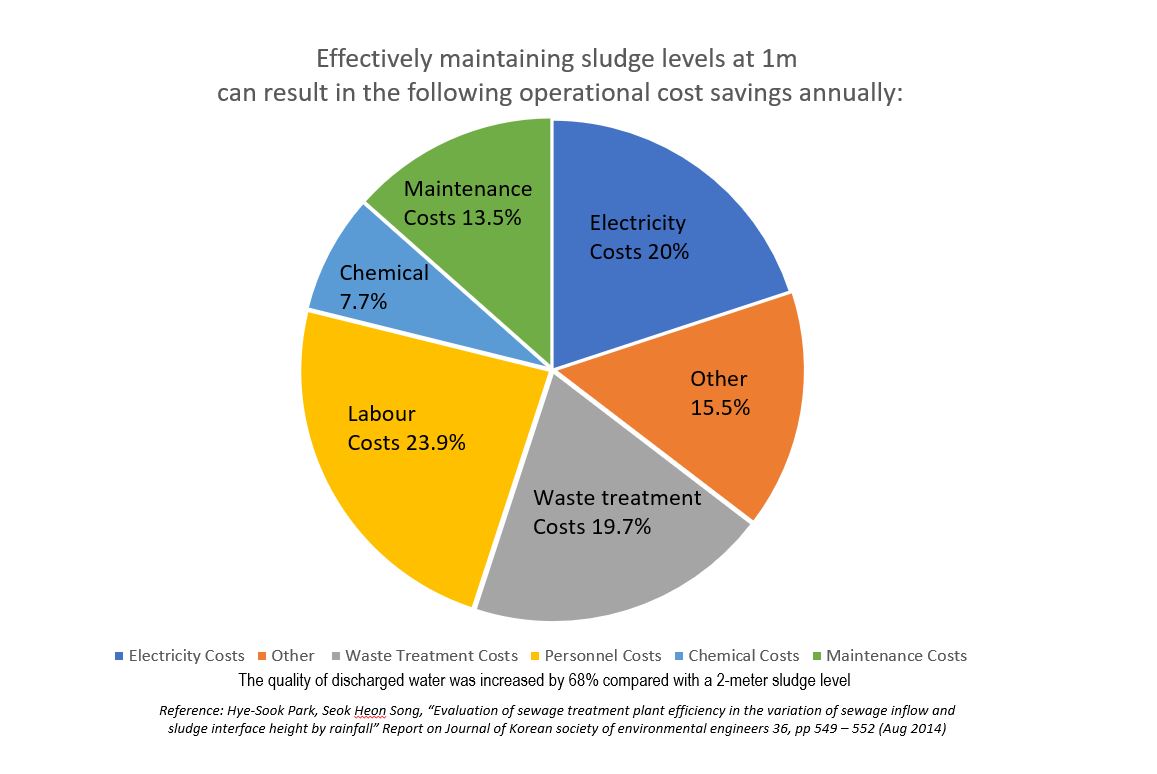
Monitoring the level of sludge of WTP/ WWTP in real-time makes it possible to control equipment such as valves, pumps, and scrapers automatically. This increases the life expectancy of equipment and enables maximised operation efficiency of WTP/ WWTP.
In addition, operators can ensure that sludge extraction pumps are used efficiently, and excess sludge does not wash out into effluent paths, preventing costly over-spills and regulation breaches.
Further, sludge handling processes such as dewatering equipment and thickeners will all perform better when fed with an optimum concentration of sludge. The diluted and lower concentration sludge will require increased dosing, heating costs of digestors, and increased pumping costs. If the density is too high there is a risk that the system will become overloaded, requiring more oxygen, which is costly. If the sludge density is too low then the biological agents will run out of “nutrients” and start to die, leading to a drop in efficiency and an expensive “re-stocking” process.
Optimal sludge levels and density also enable companies to save on labour costs as less manual sampling is required, and a wealth of instant feedback is available for greater overall system control.
In the South African context, there are tight budgets and a shortage of skilled workers. Products that can cut costs, give real-time feedback and make the sludge handling process easier to automate will go a long way to help in making WTP/WWTP more effective and reliable.
Sludge Solutions
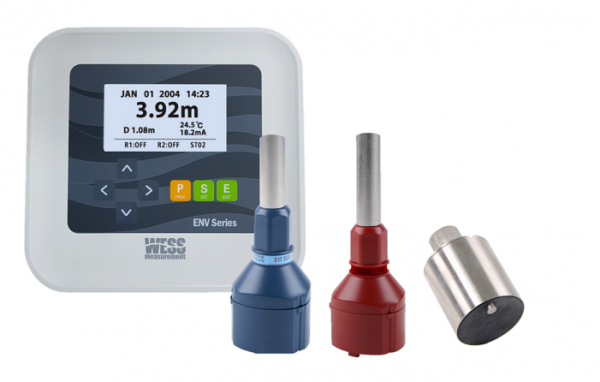
The ENV120 Ultrasonic Sludge Blanket Level Meter utilises enhanced ultrasonic technology to measure the sludge interface level in various types of clarifiers, settling tanks and thickeners with superior accuracy and reliability.
The ENV 120 features:
- Continuous and real-time measurement enabling quick response times and optimal system control.
- It has a high-temperature and chemical-resistant sensor.
- The superior patented signal control and tracking algorithms filter out subtle sludge signals from suspended solids or unclear layer signals, as well as field structures such as bottom scrapers and floating debris.
- It measures light and heavy level layers due to its dual frequency sensor.
- It allows up to 400 days of data logging and monitoring.
- It has a built-in automatic air jet sensor cleaning device which minimises maintenance.
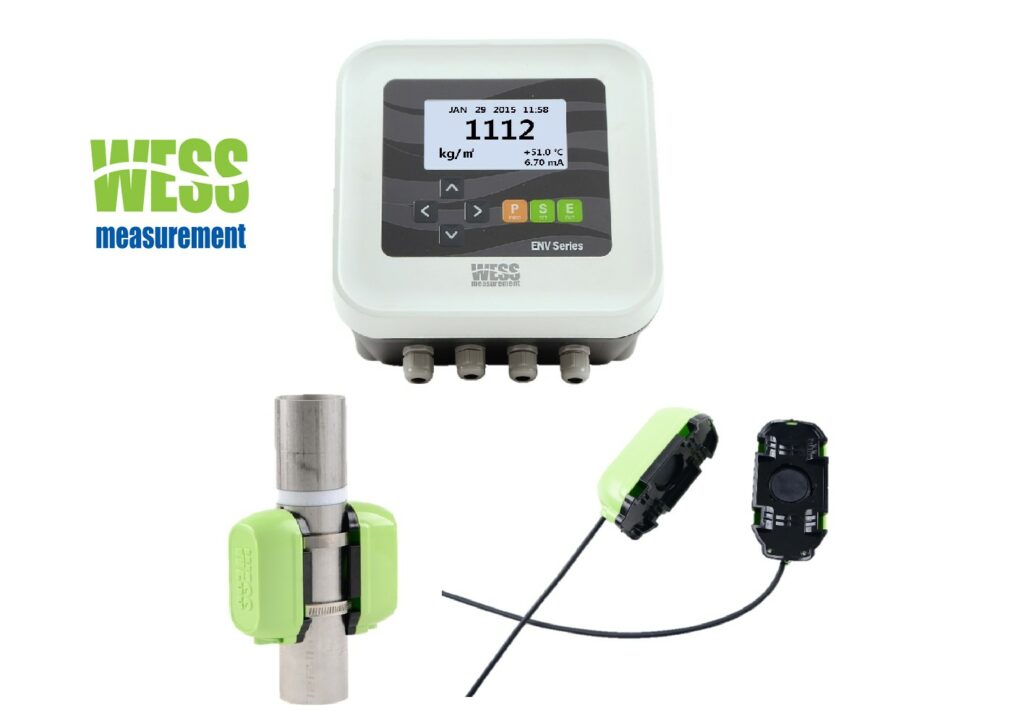
The innovative ENV200C Clamp-on Sludge Density Meter is used for sludge flow measurement in the pipeline at water and wastewater treatment processes in municipal and industrial applications.
The ENV200C features:
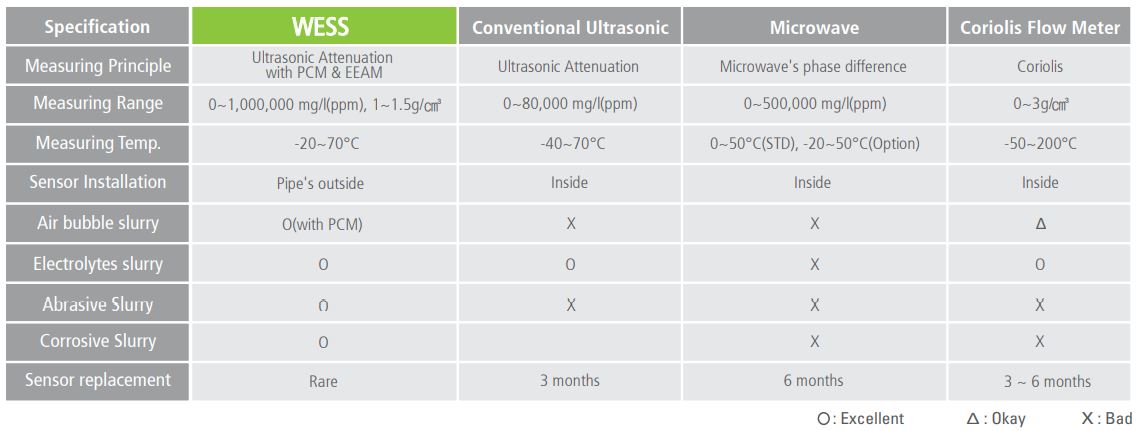
- The sensor is installed on the outside of pipes, so the sensor is not affected by corrosive and abrasive sludges such as iron ore, limestone, chemical as well as municipal waste.
- Maintenance is minimised as the clamp-on sensor is free from contamination on the sensor surface, so frequent sensor cleaning is eliminated.
- It does not need a bypass pipeline which is essential for insertion-type density meters for their sensor maintenance.
- It does not require special gear and installation costs that other sensors require for manual installation.
- It uses the patented Envelope Energy Average Method (EEAM) which converts the signal to a density value after filtering abnormal signals and electric noise. This technology is different from conventional ultrasonic attenuation methods. It saves the reception signal envelope and then calculates its energy, rather than using the reception signal’s amplitude change.
- At sewage plants, the meter is applied at raw, return, excess, thickening and dewatering processes. It measures sludge density in real time to enable accurate and stable process control.
- At drinking water plants the density meters are operated at the sedimentation and thickening process to monitor the density during sludge discharge. This sludge density measurement increases the efficiency during water treatment and reduces pumping costs. By monitoring the density variation the density meter saves on the amount of chemicals needed during the dewatering process. It also extends the life expectancy of a decanter.